Your handwriting is uniquely yours.
Write with
Character
Explore handwriting, calligraphy and written language through thoughtful practice, timeless techniques and the tools that bring every letter to life.

About BW ESS ITALY SRL
A Modern Home for the Written Word
Discover the details behind beautiful, readable and expressive writing.
BW ESS ITALY SRL is a creative and educational platform that explores the rich traditions and everyday practice of writing. We invite you to discover handwriting, calligraphy, penmanship, lettering, spelling and the physical tools that have shaped written communication for centuries.
Handwriting consists of multiple interconnected elements. Letter formation, proportions, spacing, slant, rhythm, pressure and comfortable pen control all work together to create the marks that carry your thoughts from mind to page. Understanding these components can deepen your awareness of how writing works — and how it feels.
Calligraphy introduces another dimension by deliberately considering the shape, structure and visual relationship of individual letters. Whether practised with a broad-edge nib, a flexible pointed pen or a simple marker, calligraphy bridges the gap between written communication and visual art.
Beyond letterforms, we explore the physical tools behind writing: fountain pens, dip pens, nibs of every description, bottled inks in countless colours, and papers that respond to each stroke in their own way. We also explore spelling and written-language awareness through practical educational examples appropriate for English-language readers across Canada.
Four Paths Into Writing
Explore Writing from Every Angle
From everyday handwriting to expressive calligraphy.
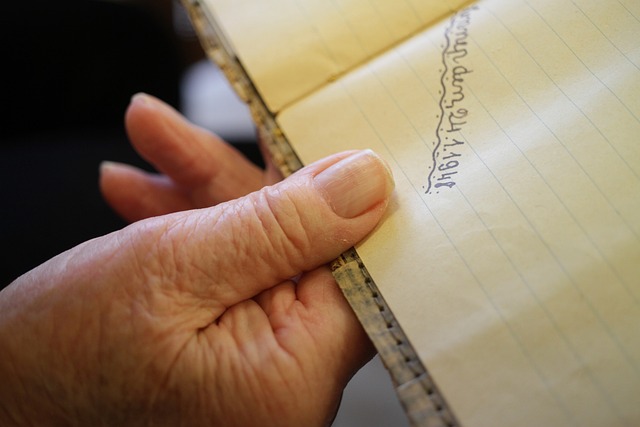
Everyday Handwriting
Explore letter formation, spacing, slant and consistency for everyday written communication.
Explore
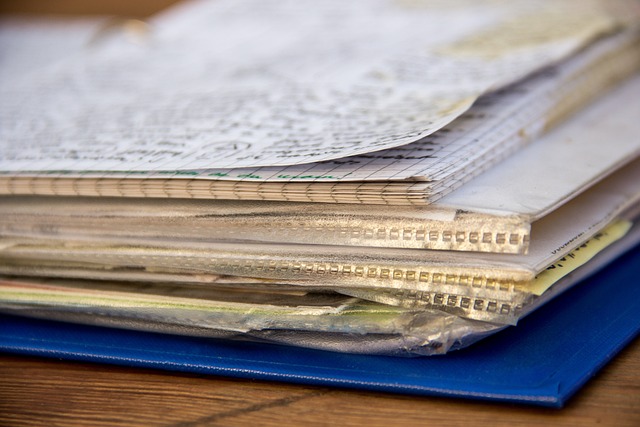
The Art of Calligraphy
Discover traditional strokes, structured letterforms and contemporary approaches to decorative writing.
Explore
Words & Spelling
Explore written English through word structure, commonly confused spellings and practical language examples.
Explore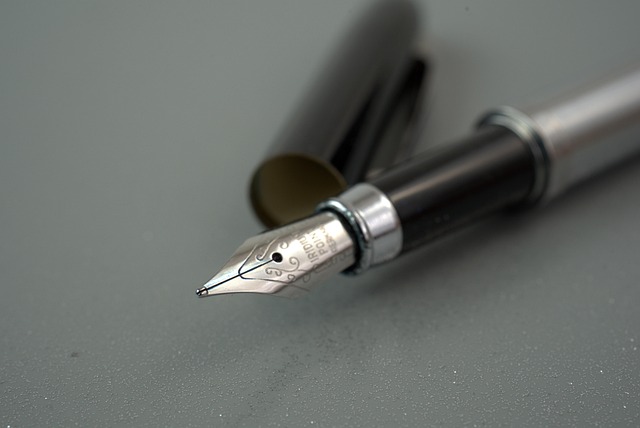
Pens, Ink & Paper
Understand how different writing instruments and surfaces influence the physical writing experience.
ExploreAnatomy of Handwriting
What Shapes Your Handwriting?
Every written line is built from a series of small decisions.
Letter Formation
Every letter begins as a combination of basic strokes — straight lines, curves, loops and connecting movements. Understanding these underlying shapes helps build consistent, recognizable letters.
Proportion
The relative height, width and visual balance of each letter create the overall appearance of your writing. Ascenders and descenders, x-height and letter width all contribute to readable proportions.
Spacing
Consistent spacing between letters, between words and between lines gives writing a clean, even texture. Uneven spacing can make even well-formed letters harder to read.



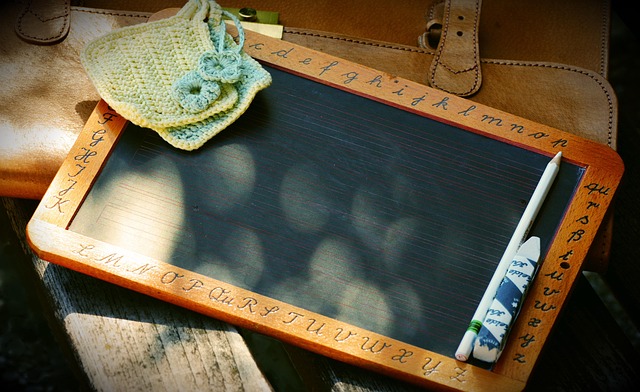
Slant
The angle at which letters lean creates visual personality. Some writers prefer an upright style while others develop a consistent forward or backward incline. Consistency matters more than the specific angle.
Pressure
The force applied while writing affects stroke thickness, ink flow and physical comfort. Lighter pressure often produces smoother, more controlled lines and reduces hand fatigue during longer writing sessions.
Rhythm
Rhythm emerges from the repeated movement of writing multiple letters and words. When strokes become rhythmic, writing flows more naturally and individual letters begin to connect with consistent timing.
Gallery
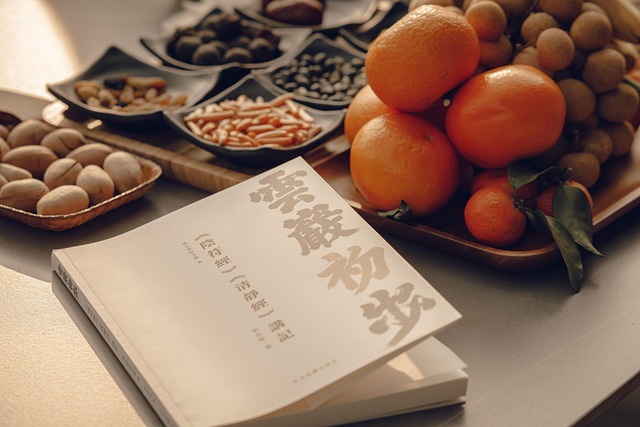
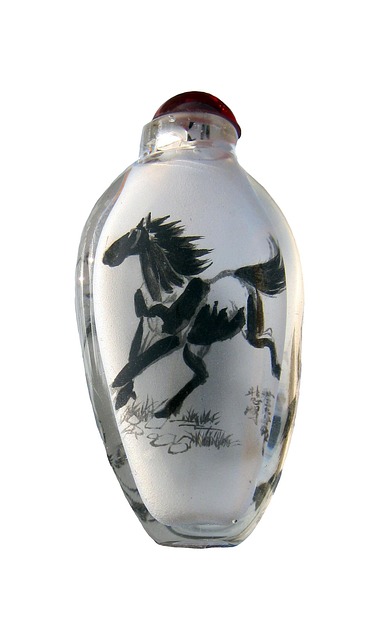
A Gallery of Written Expression
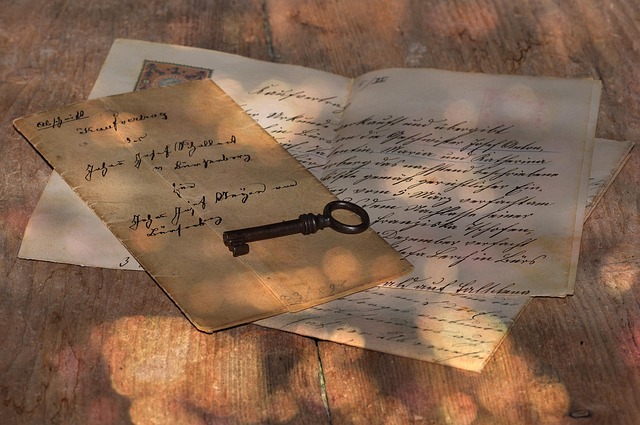
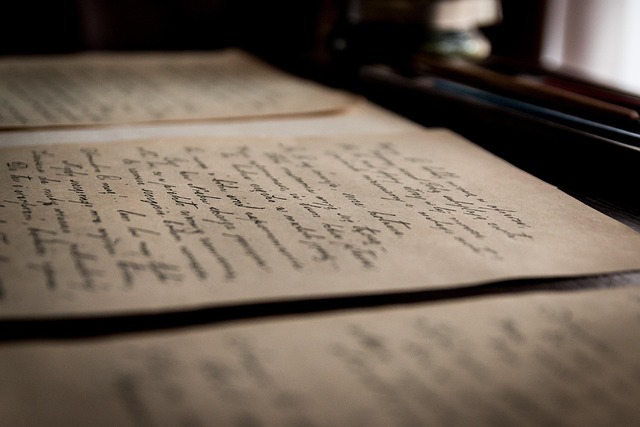
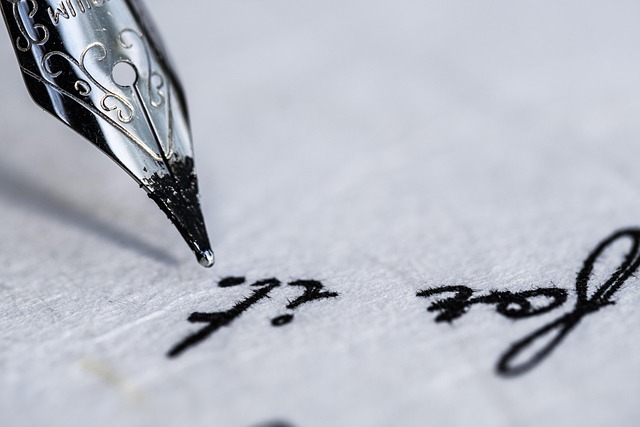
Explore different ways that ink, paper and letterforms come together.









Spelling & The Written Word
Writing Words with Confidence
Explore the structure, spelling and presentation of written English.
Word Structure
Recognizing common word patterns, roots, prefixes and suffixes can help readers better understand written English. Patterns like "tion," "ment" and "ness" appear across thousands of words. Becoming familiar with these building blocks makes new words more approachable and easier to spell correctly.
Commonly Confused Words
English contains many word pairs that sound alike but carry different meanings and spellings. Recognizing these distinctions strengthens written communication.
Punctuation
Punctuation shapes the rhythm and meaning of written language. Understanding the role of each mark helps writers communicate more clearly.
Period
Comma
Apostrophe
Quotation
Question Mark
Proofreading Habits
- Reread slowly, one sentence at a time
- Check punctuation placement carefully
- Review frequently confused word pairs
- Read written text aloud where appropriate
- Focus on one type of error per reading pass
Develop Your Handwriting
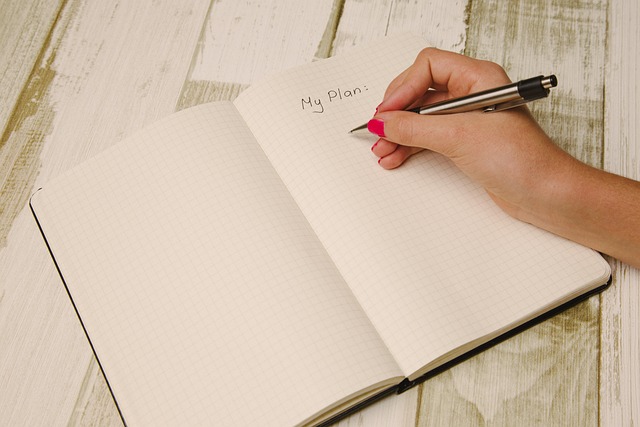
A Thoughtful Approach to Practice
Start with strokes. Build letters. Connect words.
Basic Strokes
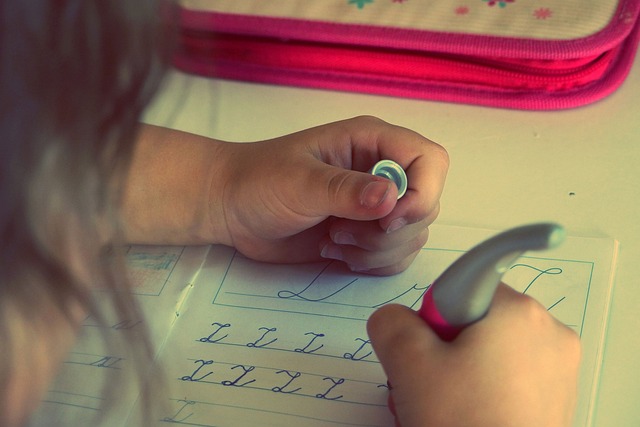
Practice straight lines, curves, loops, ovals and repeated movements that form the foundation of every letter.

Letterforms
Move from individual strokes toward uppercase and lowercase letters, focusing on formation and proportion.

Words
Explore spacing and connections between letters as individual forms join together to create readable words.

Sentences
Bring individual elements together through short sentences and paragraphs, developing rhythm and flow.
The Writer's Toolkit
Pens, Nibs, Ink & Paper
Explore the physical tools behind the writing experience.
Fountain Pens
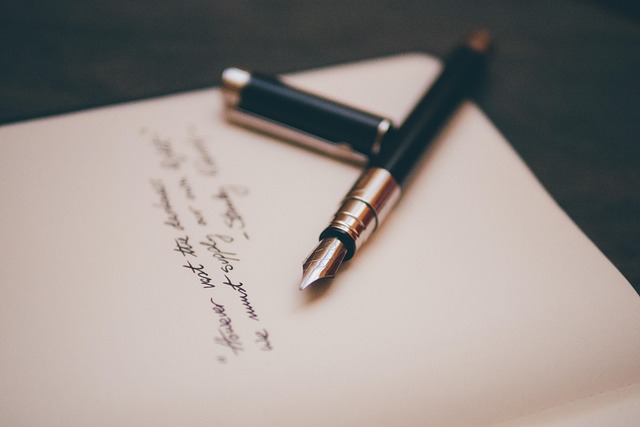
Fountain pens use a controlled ink-flow system that delivers liquid ink from an internal reservoir through a metal nib to the page. They come in various nib sizes — from extra fine to broad — each producing different line widths.
- Nib sizes and their line characteristics
- Ink flow and writing angle
- Basic cleaning and maintenance
Dip Pens
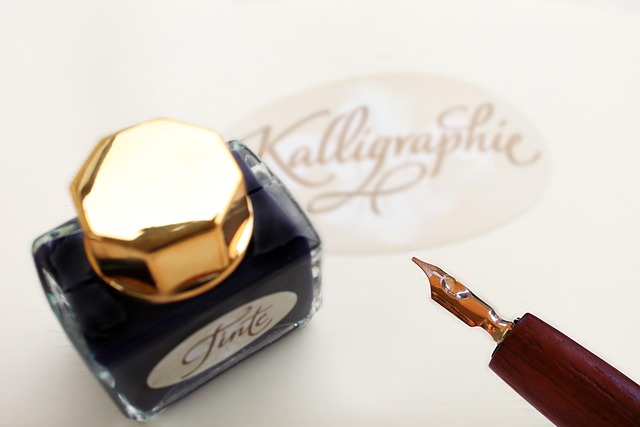
Dip pens consist of a separate holder and a removable nib that is dipped directly into ink. This simple design allows writers to switch between nib styles — flexible pointed nibs for copperplate, broad-edge nibs for italic and uncial styles.
- Pen holders and nib compatibility
- Flexible vs rigid nib behaviour
- Ink dipping technique

Ink
Bottled ink opens up a world of colour, flow and character. Different ink formulations interact with paper in unique ways — some dry quickly, some shade beautifully, and some produce distinctive textures on the page.
- Ink characteristics and drying behaviour
- How ink interacts with different papers
- Colour range and properties

Paper
The surface you write on matters. Smooth paper lets nibs glide with minimal resistance, while textured paper creates interesting visual effects. Thickness and absorbency determine how ink sits, spreads and dries on the page.
- Smooth vs textured surfaces
- Weight and thickness considerations
- Notebooks and practice sheets
FAQ
Frequently Asked Questions
Calligraphy is the deliberate creation of visually structured and expressive letterforms using specific writing techniques and tools. It bridges the gap between written communication and visual art, with traditions spanning cultures and centuries.
Everyday handwriting primarily focuses on practical written communication — getting thoughts onto paper efficiently. Calligraphy places greater emphasis on controlled strokes, letter structure, visual composition and the aesthetic quality of each individual character.
Penmanship describes the technique and individual characteristics of a person's handwriting. It encompasses letter formation, consistency, legibility and the physical habits that develop through regular writing practice.
Yes. Beginners can start by observing their existing handwriting and experimenting with fundamental elements such as letter shape, spacing and rhythm. No special equipment is required to begin — a comfortable pen and paper are a good starting point.
Standard pens, fountain pens and other comfortable writing instruments can all be used depending on the desired style. The most important factor is choosing a pen that feels comfortable in your hand and allows you to write for extended periods without fatigue.
Some calligraphy styles use specialised tools such as broad-edge or flexible nibs, while other styles can be explored using more accessible writing instruments. Brush pens and felt-tip calligraphy markers offer an approachable entry point for many beginners.
Yes. The platform includes general educational content about English spelling, commonly confused words, punctuation and proofreading. This content is designed to support written-language awareness rather than to serve as a formal certification programme.
Yes. Surface texture, thickness and absorbency can change how a particular pen or ink behaves on the page. Smooth, heavier-weight paper typically works well with fountain pens and liquid inks, while lighter or more porous papers may cause ink to spread or bleed.
BW ESS ITALY SRL presents pens, inks and writing tools for educational and informational purposes. Our focus is on helping you understand how different instruments work and how they influence the writing experience.
Visitors can explore handwriting, calligraphy, lettering, spelling, writing techniques, pens, nibs, ink, paper and the broader culture of written communication. The website is designed as a starting point for anyone curious about the art and practice of writing by hand.
Get In Touch
Send Us a Message
Have a question about handwriting, calligraphy or our platform? We would love to hear from you.