The instruments behind every letter.
Pens, Nibs,
Ink & Paper
Every writing tool has its own character. Explore fountain pens, dip pens, calligraphy nibs, bottled inks and fine papers — and understand how each one shapes the marks you make on the page.
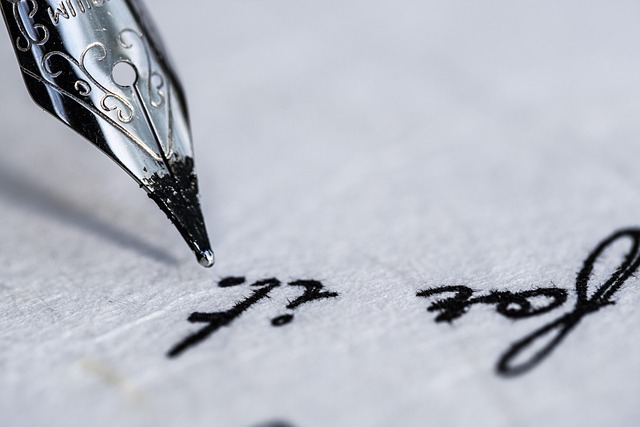
Understanding Writing Tools
Every Tool Tells a Story
The pen you hold, the ink you choose and the paper beneath your hand all contribute to the experience of writing. Understanding these tools deepens your connection to the written word.
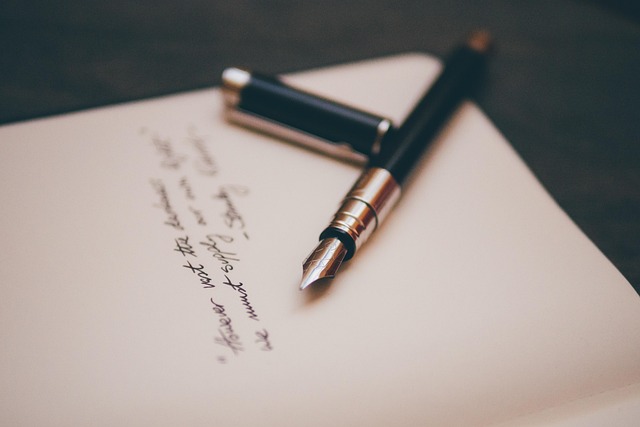
Writing instruments have evolved over centuries, but the fundamental relationship between writer, tool and surface remains the same. A pen is not simply a delivery mechanism for ink — it is an extension of your hand and an interpreter of your intentions.
Different tools produce different results. A broad-edge calligraphy nib creates thick and thin strokes determined by the angle at which it meets the paper. A flexible pointed nib responds to pressure, swelling from a hairline to a bold stroke and back again. A standard fountain pen with a round nib provides consistent, comfortable lines for everyday writing.
Ink and paper complete the equation. Some inks flow freely and dry quickly, while others produce rich shading and interesting visual textures. Paper that is too absorbent can cause ink to bleed and feather, while very smooth paper allows even the finest nib to glide without resistance.
This section explores these tools not as products to purchase, but as elements of the writing experience worth understanding. Whether you write with a simple ballpoint or a vintage fountain pen, knowing what makes your tools work helps you write with greater awareness and enjoyment.
01 — Writing Instruments
Fountain Pens
A controlled flow of ink, delivered through a precision nib.
How a Fountain Pen Works
A fountain pen delivers liquid ink from an internal reservoir — either a cartridge, a converter or a built-in piston mechanism — through a feed system to a metal nib. Capillary action draws the ink along channels in the feed and down a slit in the nib to the writing surface. This controlled flow eliminates the need to dip the pen repeatedly, making fountain pens well-suited for sustained writing sessions.
The experience of writing with a fountain pen is often described as smoother and more effortless than writing with a ballpoint, because the pen requires very little downward pressure. The ink flows by gravity and capillary action rather than by friction.
Nib Sizes and Characteristics
Fountain pen nibs come in a range of widths, each producing a different line character. The nib you choose affects not only how your writing looks but also how the pen feels in motion across the paper.
Produces the thinnest lines, well-suited for small handwriting, detailed work and writing on thin or absorbent paper. May feel slightly scratchy on textured surfaces.
A versatile everyday width. Fine nibs balance detail and smoothness, and work well across a wide range of paper types and writing styles.
The most common starting point for new fountain pen users. Medium nibs feel smooth and forgiving, producing visible line variation and good ink shading.
Creates wide, bold strokes that showcase ink colour and shading beautifully. Requires paper with good ink resistance to avoid feathering or bleed-through.
Writing Angle and Ink Flow
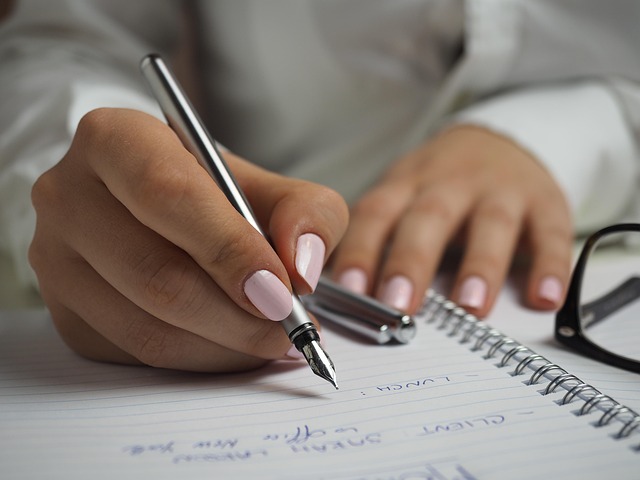
Most fountain pens write best when held at an angle of roughly 40 to 55 degrees relative to the paper. This angle allows the nib's tipping material to make full contact with the surface, producing a smooth and consistent line.
Ink flow can vary between pens. Some are described as "wet writers" — delivering generous ink that produces rich, saturated lines — while others are "dry writers" with more restrained flow, suitable for faster writing or thinner papers.
Basic Maintenance
Fountain pens benefit from regular cleaning, especially when changing ink colours or after extended periods of non-use. Flushing the pen with clean water removes dried ink residue and helps maintain consistent flow.
- Flush with clean water when switching inks
- Store with the nib pointing upward or horizontally
- Cap the pen when not in use to prevent drying
- Clean at least once a month during regular use
Did you know?
The modern fountain pen evolved from earlier dip pen designs in the 19th century. The key innovation was the internal ink reservoir, which allowed writers to carry their ink supply within the pen itself — transforming writing from a desk-bound activity into something truly portable.
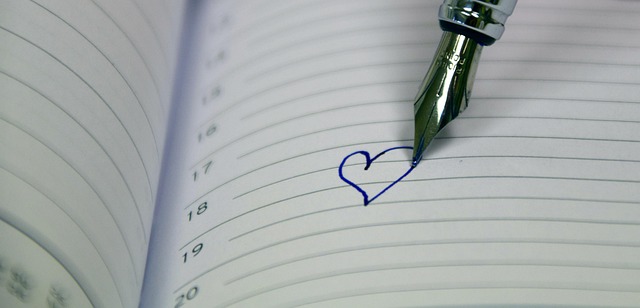

Flexible nibs
A flexible pointed nib produces line variation through pressure. Light pressure creates hairline upstrokes, while firm pressure spreads the tines apart to produce bold, expressive downstrokes. This quality makes flexible nibs ideal for Copperplate, Spencerian and other pointed-pen calligraphy styles.
02 — Traditional Instruments
Dip Pens
Simple by design, endlessly versatile in practice.
The Anatomy of a Dip Pen
A dip pen consists of two parts: a holder and a removable nib. The holder is typically a straight or oblique wooden, plastic or metal shaft that grips the nib securely. The nib itself is a small piece of shaped metal — usually steel or brass — with a slit down its centre that channels ink to the writing point through capillary action.
The simplicity of this design is one of its greatest strengths. Because the nib is separate from the holder, writers can swap between different nibs in seconds, choosing the right tool for each lettering style or stroke width.
Types of Dip Pen Nibs
Dip pen nibs fall into two broad categories, each suited to different calligraphy traditions and writing styles.
Pointed Nibs
Pointed nibs have a sharp, tapered tip and produce line variation through changes in pressure. They are the tool of choice for Copperplate, Spencerian and modern pointed-pen calligraphy. When held lightly, they produce fine hairlines; when pressed more firmly, the tines separate to create wider strokes.
Broad-Edge Nibs
Broad-edge nibs have a flat, chisel-shaped tip that produces thick and thin strokes based on the angle of the pen relative to the writing direction. They are the traditional tool for Italic, Uncial, Blackletter and many other historical scripts. The pen angle, rather than pressure, determines the character of each stroke.
Ink Dipping Technique
Dipping a nib into ink requires a light touch. Submerge just the nib — typically up to the vent hole (the small opening near the base of the nib) — then gently touch the back of the nib against the inside edge of the ink bottle to remove excess ink. This prevents blobs and drips when you begin writing.
A single dip typically provides enough ink for several words or a short line of text, depending on the nib type, the ink's viscosity and the paper's absorbency. Learning to anticipate when the ink will run out becomes instinctive with practice.
Straight vs Oblique Holders
A straight holder positions the nib in line with the shaft of the pen. An oblique holder uses an angled flange to offset the nib at a slant, making it easier for right-handed writers to achieve the steep pen angles required by some pointed-pen calligraphy styles. Left-handed writers may also benefit from an oblique holder designed for left-hand use. The choice between straight and oblique is ultimately one of comfort and style.
03 — The Life of the Line
Ink
Ink transforms a pen's movement into visible marks. Its colour, flow and behaviour on the page define the character of every stroke.
Bottled Ink
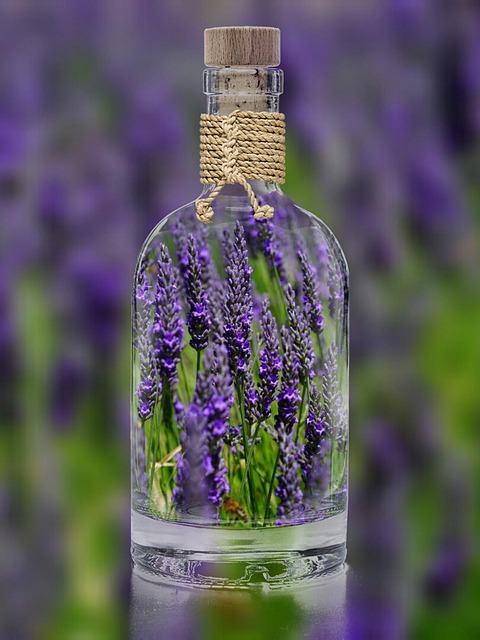
Bottled ink is the standard for both fountain pens (via converter or piston filler) and dip pens. It comes in an enormous range of colours and formulations. Using bottled ink gives writers access to far more variety than pre-filled cartridges, and allows the use of inks from different manufacturers in the same pen.
Ink Characteristics
Different inks exhibit different properties. Some are highly saturated, producing deep, rich colours. Others shade — showing lighter and darker tones within a single stroke depending on how much ink is deposited. Some inks sheen, displaying a secondary colour (often metallic) when viewed at an angle under certain lighting conditions.
Drying Behaviour
Drying time varies from a few seconds to over a minute depending on the ink formulation, the amount deposited and the paper's absorbency. Fast-drying inks are practical for left-handed writers and quick note-taking, while slower-drying inks often offer richer colour and greater shading.
Water Resistance
Some inks are water-soluble and will smear or wash away when exposed to moisture. Others are formulated with pigments or dyes that become permanent once dry. Waterproof or water-resistant inks are useful for addresses, official documents and outdoor writing.
Colour Range
The world of bottled ink extends far beyond black and blue. Manufacturers offer hundreds of colours, from subtle greys and warm sepias to vivid teals, deep purples and rich burgundies. Exploring different colours adds a personal dimension to everyday writing and calligraphy.
Shading and Sheen
Shading occurs when ink pools in certain areas of a stroke, creating variations in lightness and darkness within a single colour. Sheen is a metallic-looking colour shift visible on the surface of dried ink. Both effects add depth and visual interest to handwritten text.
Ink and Paper Interaction
The same ink can behave very differently on different papers. Smooth, coated paper holds ink on its surface, producing sharp lines and vivid colour. Absorbent paper draws ink inward, which can cause feathering (fuzzy edges) and bleed-through (ink visible on the reverse side).
Dip Pen vs Fountain Pen Inks
Not all inks are suitable for all pens. Many calligraphy and drawing inks contain shellac, pigment particles or other materials that can clog a fountain pen's delicate feed system. Dip pens are more tolerant because they can be cleaned easily after each use. Always check whether an ink is fountain-pen safe before using it.
04 — The Writing Surface
Paper
The surface beneath the nib shapes every stroke you make.
Paper is often the most overlooked element of the writing experience, but it plays a decisive role in how ink behaves and how writing feels. The smoothness, thickness, coating and absorbency of paper all influence the final result — and finding the right paper for your pen and ink can transform the quality of your writing.
A sheet of paper is not simply a flat, white surface. It is a complex material with its own texture, weight and chemical composition, and each of these properties interacts with your writing tools in specific ways.
Smooth vs Textured Surfaces
Smooth paper allows nibs to glide with minimal resistance, producing clean, sharp lines. It tends to show off ink properties like shading and sheen more clearly. This makes it a favourite for fountain pen writing and pointed-pen calligraphy.
Textured paper — sometimes described as "toothy" — creates more friction, which some writers prefer for its tactile feedback. It can produce interesting visual effects in calligraphy, as ink catches on the raised fibres of the surface. However, highly textured paper may cause fine nibs to snag.
Weight and Thickness
Paper weight is measured in grams per square metre (gsm). Standard printer paper is typically around 80 gsm, while quality writing paper ranges from 90 to 120 gsm or higher. Heavier paper resists bleed-through and feels more substantial under the pen. Calligraphy practice often benefits from paper in the 100–160 gsm range, which can handle wet ink without warping or bleeding.
Absorbency
Absorbency determines how quickly paper draws ink inward. Highly absorbent paper causes ink to dry quickly but may produce feathering — a soft, fuzzy edge to each line. Paper with low absorbency holds ink on the surface for longer, giving crisper lines but requiring more drying time. The balance between these extremes depends on personal preference and the writing task at hand.
Notebooks and Practice Sheets
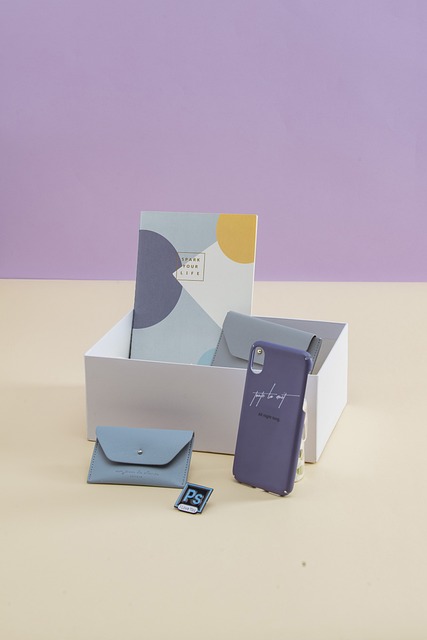
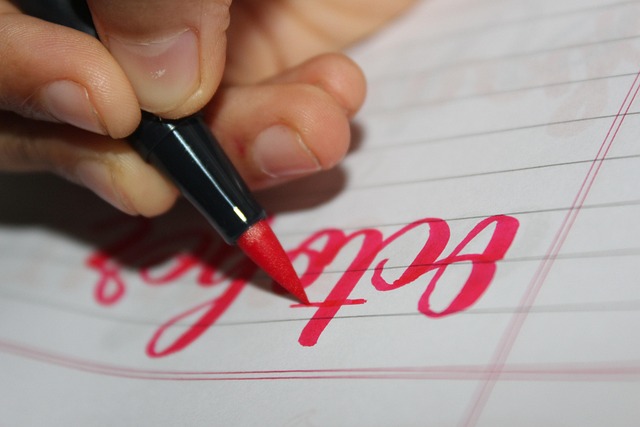
For regular writing practice, a good notebook with fountain-pen-friendly paper is a worthwhile companion. Look for notebooks described as having smooth, ink-resistant pages. Dedicated calligraphy practice sheets often feature printed guidelines — baseline, waistline, ascender and descender lines — that help maintain consistent letter proportions while practising.
- Ruled or grid pages for everyday handwriting
- Guideline sheets for calligraphy practice
- Blank pages for free-form lettering
- Dot-grid for flexible layout and spacing
Additional Instruments
Beyond Pens and Paper
Other tools and accessories that support the writing experience.
Rulers and Guides
Straight edges and T-squares help create consistent guidelines on blank paper. For calligraphy, guide sheets placed beneath translucent writing paper provide baseline references without marking the final sheet.
Erasers and Correction
While ink is generally permanent, pencil guidelines can be erased after inking. Soft erasers remove pencil marks without damaging the paper surface. In calligraphy, careful planning reduces the need for corrections.
Pen Rests
A pen rest keeps your writing instrument safely positioned when not in use, preventing it from rolling off the desk or sitting in a way that could damage the nib. Simple wooden or ceramic rests are both functional and attractive.
Blotting Paper
Blotting paper absorbs excess ink from the writing surface, speeding up drying time and preventing smudging. It is especially useful when working with wet inks or broad nibs that deposit large amounts of ink.
Lighting
Good lighting is essential for comfortable, accurate writing. A desk lamp positioned to avoid shadows from the writing hand reduces eye strain and makes it easier to see letter details, ink behaviour and guidelines clearly.
Writing Slope
A writing slope — an angled surface — can improve posture and pen angle during extended writing sessions. Many calligraphers prefer working on a sloped surface set at roughly 30 to 45 degrees, which brings the writing closer to eye level and reduces wrist strain.
Choosing Your Tools
Finding What Works for You
There is no single correct setup. The best writing tools are the ones that feel right in your hand and on your page.
For Everyday Handwriting
Everyday writing benefits from tools that are comfortable, reliable and low-maintenance. A medium-nib fountain pen with a standard ink cartridge and a smooth, lined notebook provides an excellent starting point. The pen should feel balanced in your hand and write without pressure.
Suggested combination
- Medium-nib fountain pen
- Standard dye-based ink
- Smooth 90 gsm lined notebook
For Calligraphy Practice
Calligraphy practice calls for tools that respond to the specific technique being explored. Broad-edge styles require a chisel-tipped nib and a consistent pen angle, while pointed-pen styles require a flexible nib and careful pressure control. Guideline sheets and heavier paper support cleaner results.
Suggested combination
- Dip pen with interchangeable nibs
- Calligraphy or drawing ink
- Smooth 120+ gsm practice paper
For Creative Lettering
Creative lettering and modern calligraphy are often more accessible than traditional scripts because they embrace variation and personal style. Brush pens, felt-tip calligraphy markers and even standard markers can be used to explore expressive lettering without the learning curve of dip pens.
Suggested combination
- Brush pen or felt-tip marker
- Built-in ink supply
- Smooth marker-friendly paper
Common Questions
Writing Tools FAQ
A fountain pen uses liquid ink delivered through a metal nib via capillary action, requiring very little writing pressure. A ballpoint uses a thick, paste-like ink dispensed by a rotating ball at the pen's tip, which requires more pressure. The resulting writing experiences feel quite different, and each type of pen has its own advantages.
No. Fountain pens should only be used with inks specifically formulated for fountain pens. Calligraphy inks, India ink and drawing inks often contain shellac, pigments or other materials that can clog the pen's feed mechanism and cause permanent damage. Always check the label before using an unfamiliar ink.
A fine or medium nib is generally recommended for beginners. Fine nibs work well for smaller handwriting and everyday notes, while medium nibs offer a smoother writing experience and display ink colour more clearly. The best choice depends on your handwriting size, preferred paper and how much line variation you enjoy seeing.
Paper in the range of 90 to 120 gsm generally performs well with fountain pen ink. Heavier paper (100 gsm and above) tends to resist bleed-through more effectively. The surface finish matters as much as the weight — smooth, coated papers often handle fountain pen ink better than rough or highly absorbent papers, regardless of their weight.
Dip pens are relatively easy to maintain. After each writing session, rinse the nib under clean water and dry it thoroughly to prevent rust. New nibs often have a protective coating that should be removed before first use — gently wiping the nib with a damp cloth or briefly passing it through a flame is common practice. Store nibs in a dry environment.
BW ESS ITALY SRL presents pens, nibs, inks and papers for educational and informational purposes. Our focus is on helping visitors understand how different writing instruments work and how they shape the writing experience, rather than serving as a retail store.
Continue Exploring
More to Discover
Explore other dimensions of writing on our platform.
Calligraphy
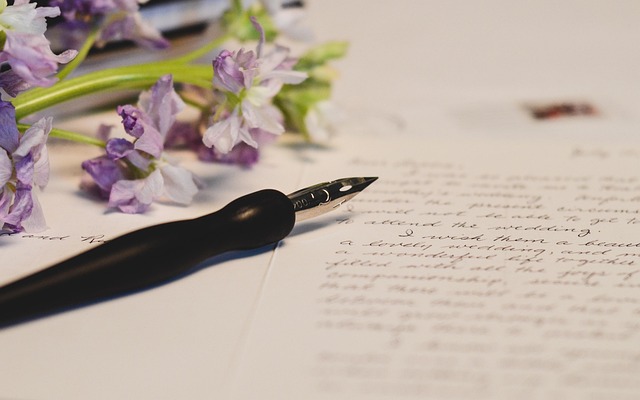
Discover traditional strokes, structured letterforms and contemporary approaches to decorative writing.
Explore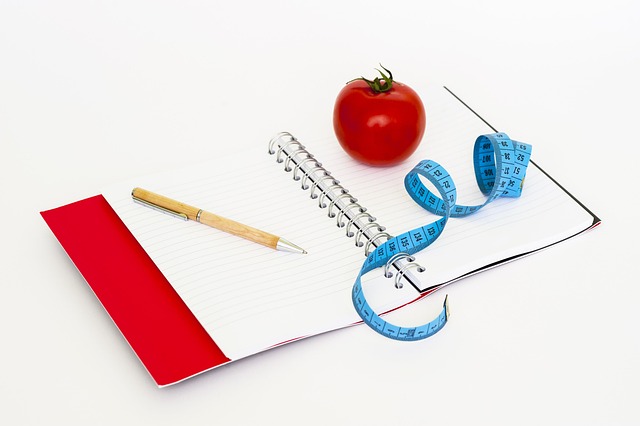
Handwriting
Explore letter formation, spacing, slant and consistency for everyday written communication.
Explore
Gallery
Explore a visual collection of writing styles, calligraphy and lettering compositions.
View Gallery